Logistics & Cargo Services

Customs, project cargo, air freight, warehousing, inland haulage. The operational work of moving shipments through Ghanaian ports without surprises — and the local relationships that make that possible.

Why Ghanaian Logistics Takes More Than a Pick-Up Truck

On paper, moving a container from the quayside at Tema to a warehouse outside Accra is a short job. In practice, it touches customs, destination inspection, the ports authority, the terminal operator, possibly GRA, and one or more clearing, warehousing, and haulage partners — each with their own timings and paperwork. A delay in any single step ripples into every step that follows.

Our logistics work is built around eliminating those ripples. We stage documentation before vessel arrival, keep live eyes on customs processing, and coordinate the downstream handoffs so the cargo isn't sitting on a chassis waiting for the next party to be ready. It is an unglamorous discipline made of small moves, done in the right order, by people who know the building they're walking into.

Operating Context

Different Ports, Different Playbooks

Tema and Takoradi look similar to outside eyes. They aren't. Getting a shipment through each one efficiently requires knowing which you're dealing with.

Tema

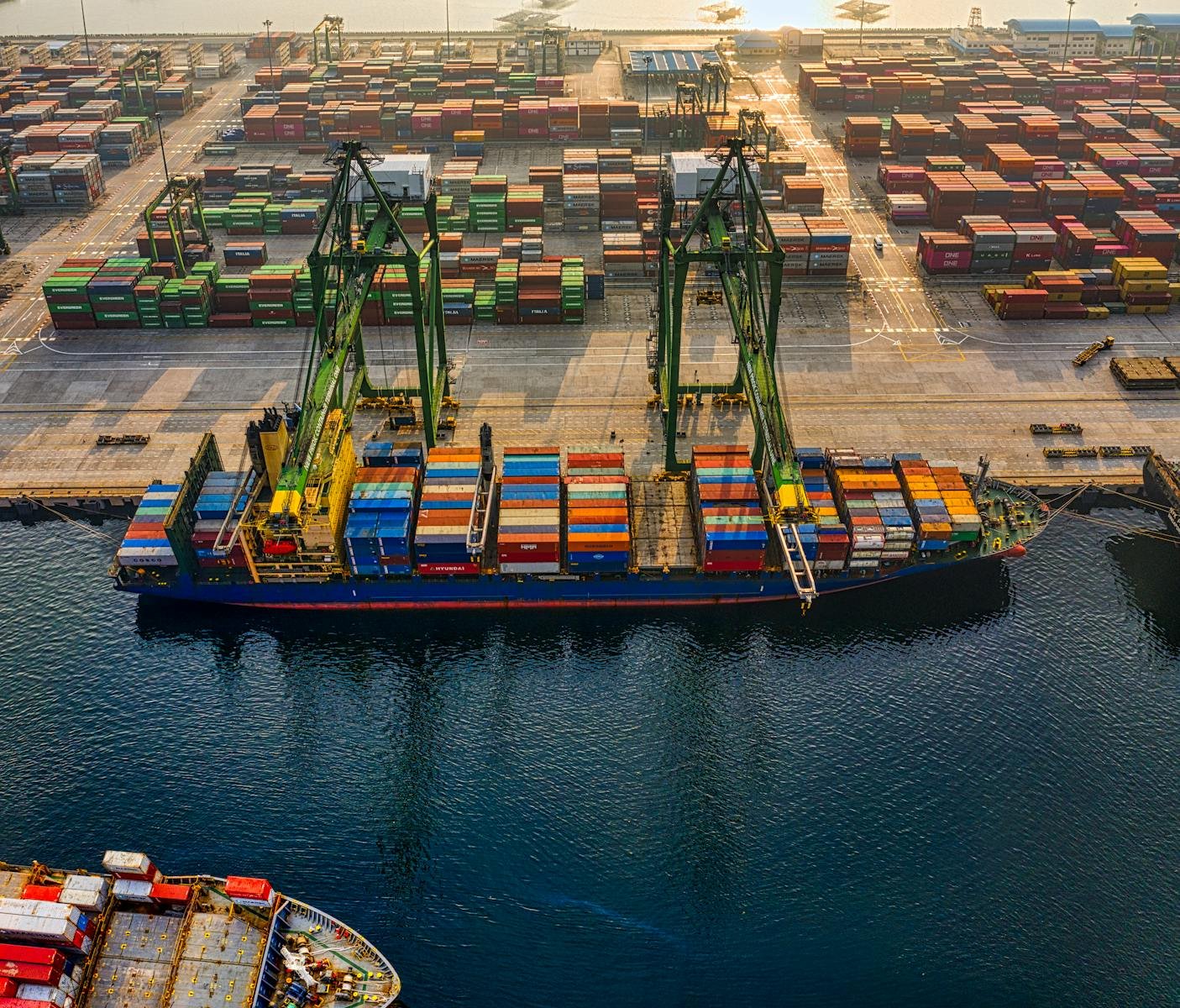
Ghana's primary container and general-trade port. Higher volumes, more labour-handling choices, deeper terminal expansion. Clearance timings are generally predictable if the paperwork is clean — and dire if it isn't. Most of our customs and project-cargo work runs through Tema.

Takoradi

The oil & gas gateway and a traditional bulk port. Smaller, with a different cargo mix (tanker, bulk, OSV, project pieces for offshore). Berth availability and labour rhythms differ from Tema; we coordinate the two with the same documentation standards.

Kotoka (KIA)

For air freight — especially time-critical offshore spares or inbound project components — we coordinate through Kotoka International with the same pre-arrival documentation discipline. Same principle: don't arrive at customs cold.

What We Handle

Customs Clearance & Freight Forwarding

Full import and export clearance at Tema, Takoradi, and Kotoka. Documentation pre-staged, tariff classifications reviewed in advance, and live engagement with customs officers through processing. We handle the queries that would otherwise add days.

Project Cargo Handling

Heavy lift, over-dimensional, over-weight cargo — typically for offshore, mining, and power-sector projects. Survey, route planning, permits, police escorts where required, and coordination with the terminal's handling contractors before arrival.

Air Freight

Time-critical shipments through Kotoka, mostly for offshore spares and emergency crew-change support. We work with established carriers into Accra and handle the customs side with the same turnaround discipline we apply to sea freight.

Road Haulage

Inland delivery across Ghana and into the West African corridor — Burkina Faso, Mali, Côte d'Ivoire, Togo. Owned and contracted fleet, tracked movements, and insurance cover matched to the cargo class.

Warehousing & Cross-Dock

Short-term bonded and non-bonded storage, consolidation, and cross-dock operations near both ports. Useful for project contractors staging offshore deliveries or importers managing inventory inside a specific window.

Container Sales & Leasing

New and used container supply for site storage, modification, or intermodal use. Leasing options for short-term project needs. Straightforward commercial arrangements; no escalating surcharges.

A Worked Example

What a Standard Import Looks Like

For a containerised import through Tema with onward delivery inland, here is the rough sequence and where most of the risk lives.

Typical Containerised Import Flow (Tema → Inland)

  1. T-7 days: Pre-arrival documentation collected from shipper — B/L, commercial invoice, packing list, certificates. Tariff classification confirmed.
  2. T-5 to T-3 days: Import declaration lodged. Destination inspection requirements confirmed. Any permits flagged and pursued.
  3. T-1 day: Final manifest cross-check with the shipping line's Tema office. Haulage slot booked.
  4. Arrival day: Container discharged. Customs examination (if selected) attended in person. Clearance paperwork completed. Any queries handled live.
  5. Post-clearance: Terminal handling charges settled. Container released. Haulage executed. Delivery confirmed with photo evidence and signed POD.

Most of the cost and time risk in the above sequence is in the first three steps. Done well, those steps make the rest unremarkable — which is what you want.

Oil & gas logistics operations
Oil & Gas Specialization

Offshore Logistics, Done With the Offshore Clock in Mind

Supporting offshore operations — Jubilee, TEN, Sankofa-Gye Nyame, and the exploration work around them — is a different logistics discipline from general trade. Spares need to clear customs and reach the supply base the same day. Manifests for OSVs have to be accurate to the kilogram. Personnel transfers have to coordinate with helicopter and boat schedules that don't wait.

We run a dedicated offshore-logistics workflow out of Takoradi, built around that pace. Same documentation discipline as the rest of the logistics operation; different speed setting.

Scope an Offshore Need

Cargo moving through Ghana? Let us scope it.

Send over the shipment details — origin, vessel or flight, arrival window, destination, special handling needs. We'll come back with a clear plan and a transparent quote. Our logistics desk is staffed around the clock.

Request a Quote