Ship Agency in Ghana

General and protective agency for tankers, bulkers, OSVs, and container vessels. Pre-arrival, in-port, and departure — with the same desk, the same phone number, and the same standards at both Tema and Takoradi.

What Ship Agency Actually Involves

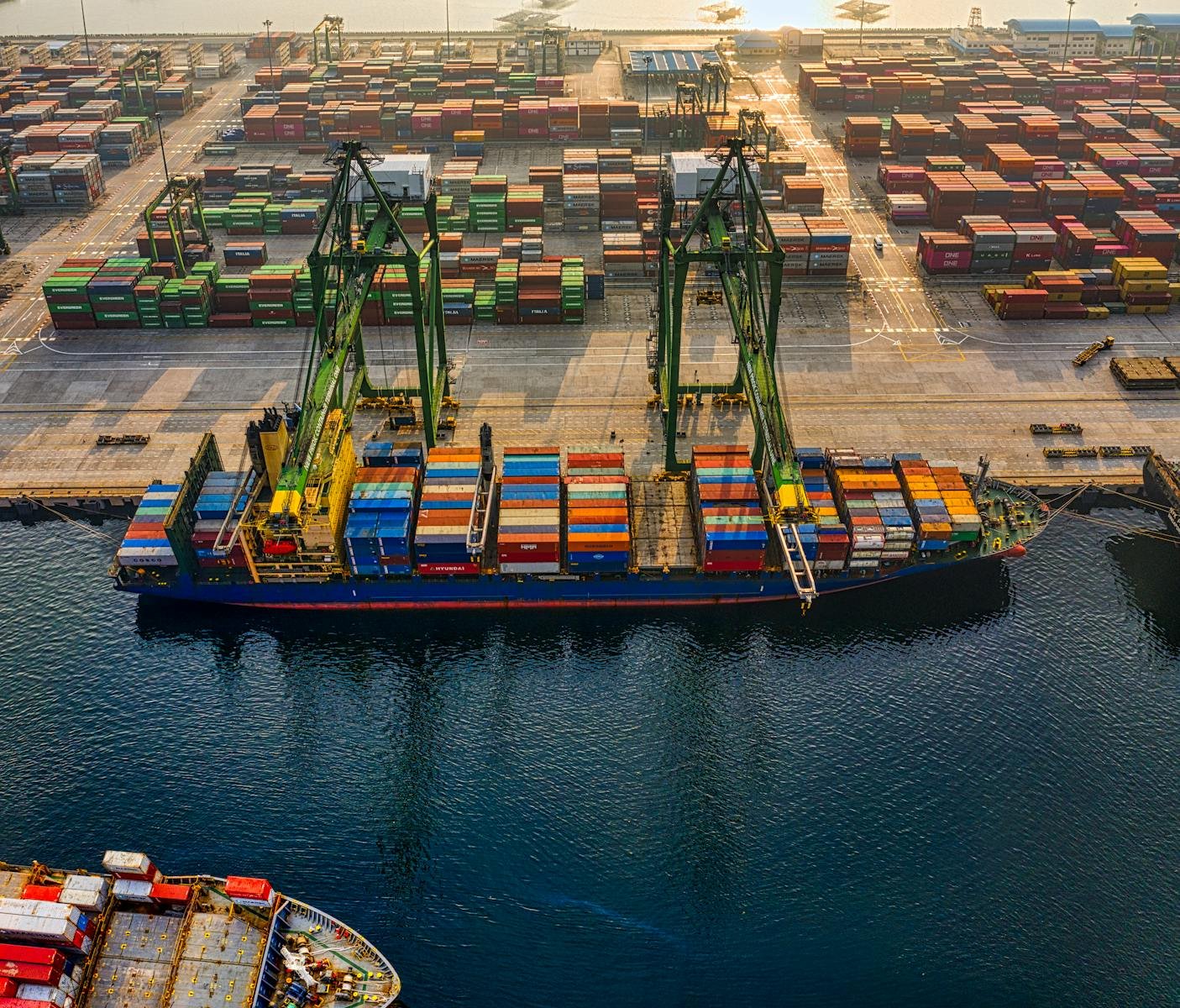
A ship agent is the person on the ground who makes a port call happen. On paper that sounds straightforward; in practice it is a coordinated sequence of documentation, authority notifications, berth negotiation, pilot and tug arrangements, customs and immigration handling, cargo operations oversight, crew matters, incident response, and — at the end — honest financial reconciliation. Any one of those done badly lengthens the call. Two done badly and you are paying for extra days at anchorage.

BSTL has been running ship agency through Ghanaian ports since 1986. We act as General Agent (appointed by the vessel owner) and as Protective Agent (appointed by the charterer, alongside a general agent, to independently represent charterer interests). The same operations desk handles both, because the work overlaps — but the reporting line and loyalty are distinct, and we treat them that way.

General Agency vs Protective Agency

Owners typically appoint the General Agent. That agent handles the full port call under the owner's authority: receiving the vessel, managing the authorities, handling the cash-to-master, settling disbursements. When the voyage is chartered, the charterer often has a commercial interest in a second agent watching the port call — verifying cargo figures, tracking laytime, scrutinising the disbursement account. That is the Protective Agent. We do both. Most of our oil & gas work includes protective coverage as standard.
Scope of Work

What We Handle During a Port Call

The unglamorous, specific, non-negotiable operational content of a ship agency appointment.

Vessel Clearance & Documentation

Port authority notifications, customs and immigration, port-state control liaison, and all vessel-related documentation with GPHA, Ghana Maritime Authority, Ghana Revenue Authority, and port-health services. Prepared ahead of arrival where possible.

Berth & Terminal Coordination

Working with GPHA berthing control and terminal operators to secure an optimal berth and start time. Labour, cranes, and discharge/load equipment coordinated through the terminal's handling partners. Pilot and tug services arranged and timed to the ETA.

Cargo Operations Oversight

Tally verification, shore-tank figures, statement of facts, notices of readiness, laytime tracking. Where our principal is the charterer, the figures are checked independently — not accepted at face value from the appointed agent.

Crew & Master Support

Cash-to-master, shore leave coordination where applicable, document handling for crew changes, and direct line with the master for incident handling. On 24/7 coverage for live port calls.

Disbursement & Settlement

Itemised disbursement accounts with supporting vouchers from the port authority and third-party service providers. Our agency fee clearly separated from pass-through charges. Reconciled against the proforma, with variances explained.

Oil & Gas / Offshore Support

Agency for OSVs, supply boats, tugs, and tanker traffic serving Ghana's offshore fields. Coordinated from Takoradi, tied into the offshore logistics desk for spares, crew, and technical support.

Port Call Timeline

How a Call Unfolds

A simplified timeline for a typical port call — the points where something going wrong tends to cost the most time.

ETA − 7 to 10 days Appointment letter received. Pre-arrival documents requested from owner/master. Authorities pre-notified. Berth request lodged.
ETA − 3 days Documentation cross-checked and staged. Pilot and tug provisionally booked. Customs, immigration, and port-state control briefed on expected cargo and crew matters.
ETA − 24 hours Berthing slot confirmed with GPHA. Labour and equipment aligned through the terminal. Crew-change or husbandry logistics finalised if applicable.
Arrival Pilot boarding, tug assistance, berthing. Notice of readiness tendered. Authorities boarded. Cargo operations commenced.
In-port Cargo ops monitored. Husbandry requirements handled. Daily update to principal with timestamped events, exceptions, and variance to planned schedule.
Departure Completion of cargo, statement of facts finalised, departure clearance obtained, pilot and tug arranged for un-berthing. Master's receipts and port documentation collated.
Post-departure Final disbursement account issued with supporting vouchers. Voyage-end handover to principal. Lessons-learned note added internally before the next call.
Why It Matters

A Vessel in Port Is a Vessel Not Earning.

Every hour on anchorage or at a quay costs somebody money — the owner, the charterer, or both. The job of a good ship agent is to compress those hours without cutting corners on the regulatory, safety, or documentation side. The way we do that is boring: prepare early, brief the authorities well, stay in touch with the master, tell the principal the truth about timings.

If your last Ghanaian port call felt longer than it should have been — or the final disbursement had lines you couldn't explain — we'd welcome the conversation. Start with a short email about the next call.

Speak to an Agent
Vessel at port

Nominating an agent for a Ghanaian call?

Send us the vessel, the ETA, and the port — we'll come back with a proforma disbursement account and confirmation we can meet your appointment schedule. Operations desk on 24/7 cover.

Start the Conversation